

How Talonic works
01 Sources
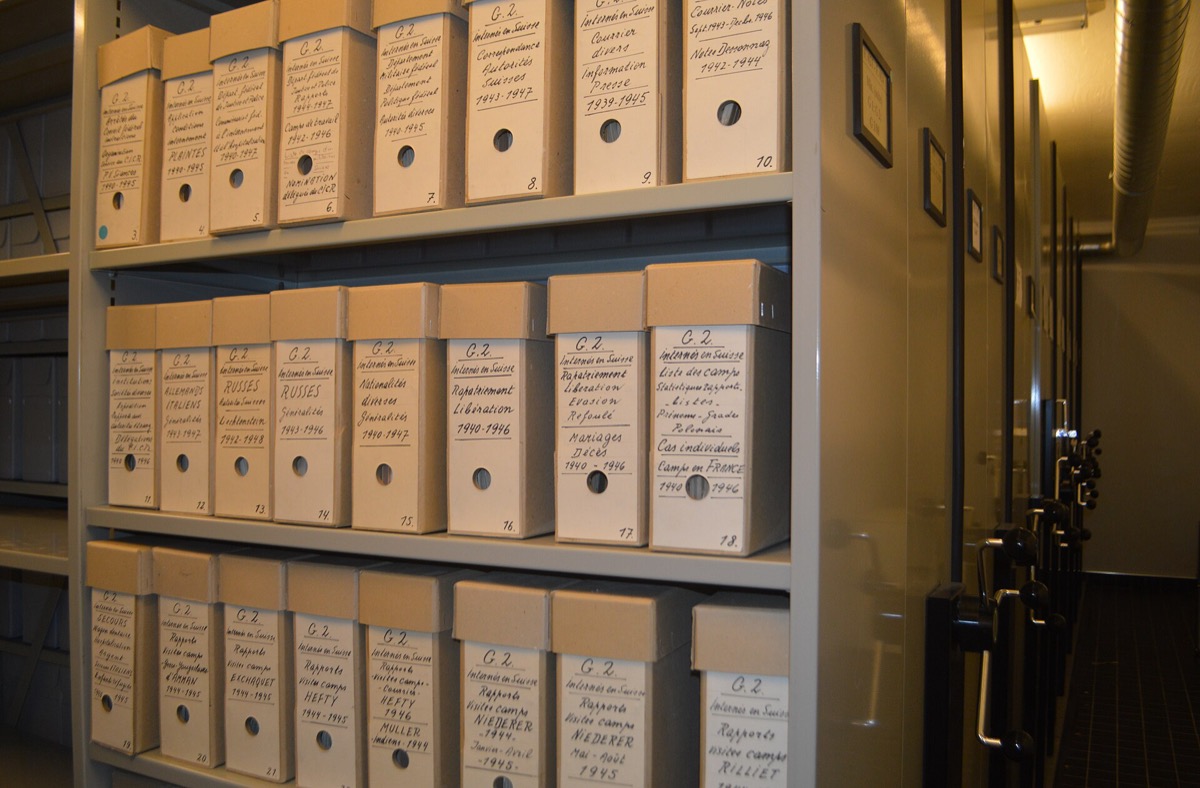
An endless stream of documents. None of it queryable. Ingested through Talonic from email, drive, S3, SFTP, or API. Document types include contracts, invoices, emails, scans, carrier manifests, purchase orders, service reports, and allocations.
02 Data Capture
Every document, parsed. Every field, extracted. Every schema, recognized. In parallel, at scale. Talonic processes service agreements, invoices, carrier manifests, purchase orders, and service reports — extracting 64 to 113 fields per document with schema recognition (vendor_contract_v7, invoice_v3, carrier_manifest_v2, purchase_order_v2, service_report_v1).
03 Field Registry
Every field becomes canonical. Every extraction compounds. The registry never resets. Canonical fields include vendor_name, contract_value, effective_date, term_end, auto_renew, governing_law, notice_period, invoice_number, total_amount, tax_rate, currency, due_date, payment_terms, load_id, carrier, origin, destination, weight_kg, incoterms, vehicle_type, technician, report_id, service_date, and facility. New canonicals are continuously discovered: meter_id, incoterm_variant, clinical_phase, hs_code, vat_id, hazmat_class, and more.
04 Schema Matching
Every new schema, mapped to canonicals. Every field, recognized regardless of source terminology. Continuously. Example: customer_contract_v3 maps party_name to vendor_name (0.94 confidence), agreement_value to contract_value (0.91), termination_date to term_end (0.89), monetary_unit to currency (0.97). 4/4 matched with 0.93 average confidence.
05 Query
Every question, answered against the registry. Every answer, structured and typed. Continuously. Query with SQL, natural language, or API calls. Examples: "SELECT contract_value FROM canonicals WHERE governing_law = BGB § 305ff", "which contracts expire in Q4 2026?", "talonic.query(canonicals, filter={governing_law: BGB § 305ff})". Deliver to SAP S/4HANA, Salesforce CRM, NetSuite, Dynamics, Ivalua, or any REST endpoint.